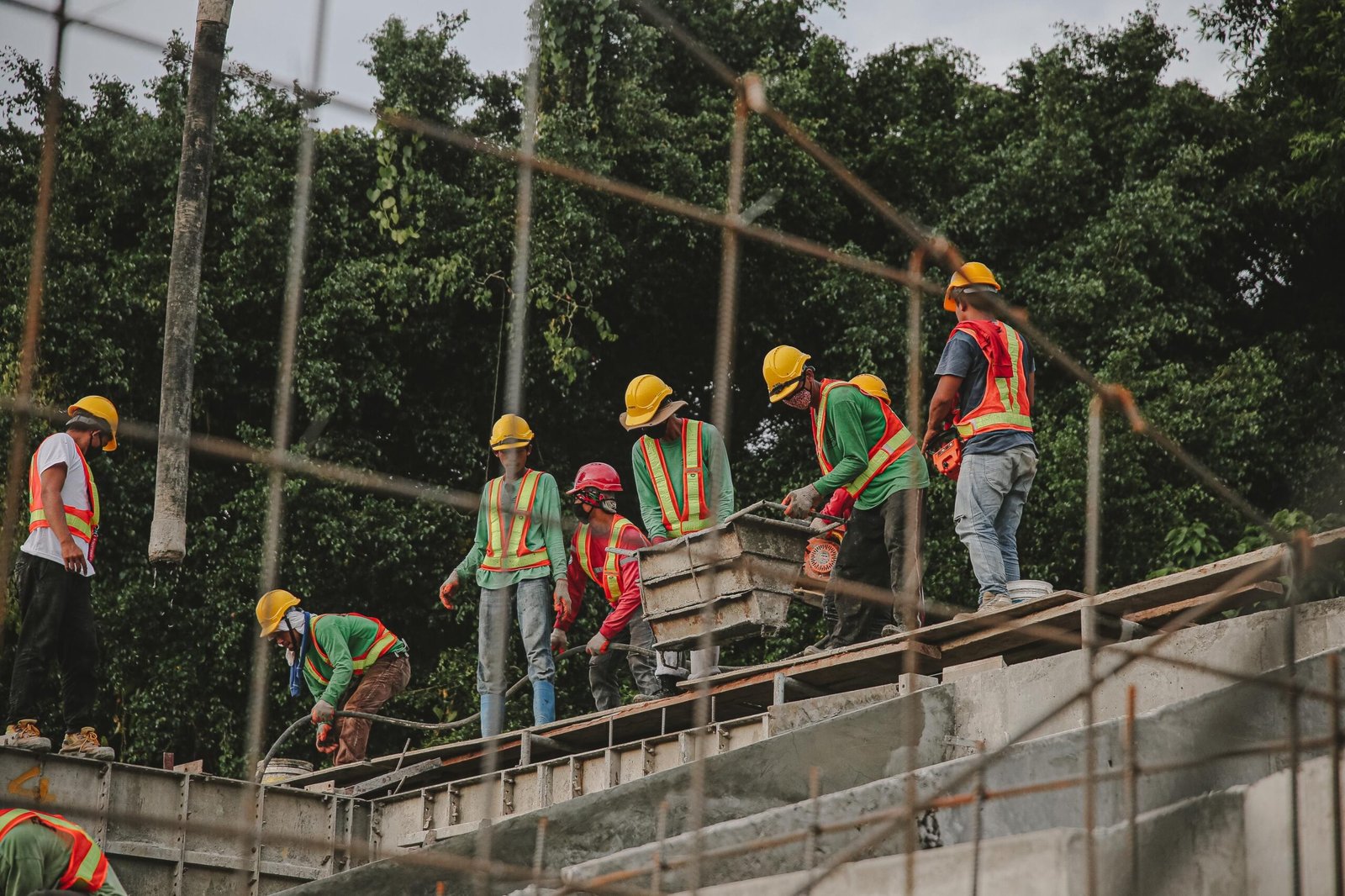
If you own land east or north of Atlanta and builders have started asking about it, that attention is not random. Builders follow a short list of practical forces, and once you understand them, you can read an offer for what it really says. Here is what is pulling builders toward the edges of Gwinnett and the counties around it.
The region is still growing, just more slowly
The Atlanta Regional Commission estimates that the 11-county Atlanta region added 53,690 residents between April 2025 and April 2026, bringing the total to about 5.34 million. That is 1.0% growth, down from 1.2% the year before. For perspective, the region averaged 1.2% a year from 2020 to 2026, compared with 2.0% in 2000 to 2010 and 3.3% in the 1990s. ARC puts Gwinnett at roughly 1.04 million residents.
The slowdown matters, and so does the reason for it. ARC says it reflects a decline in home building permits, which remain below historical averages, and that housing supply remains low and keeps prices elevated. In plain terms, people still want to live here, and there are not enough new homes to go around. That is the gap builders are trying to fill.
Land closer in is scarce
As a general rule, the best parcels near the center have already been built on. What is left tends to be small, expensive, or complicated by zoning, access, or environmental limits. Trade reporting on builder activity has described a shortage of developable lots pushing residential development further from the center of Atlanta. When a builder cannot find enough workable lots close in, the search moves outward.
The outer areas are where growth is fastest
ARC reports that the strongest growth rates are in the outer suburbs and the inner core. Its long range forecast names Barrow, Paulding, Cherokee, Walton, and Coweta among the counties expected to grow fastest over the coming decades.
Buyers are following. Redfin data reported by CBS News Atlanta shows that the median home price in the metro's outer ring is only about $4,000 below the surrounding metro and suburban areas, a much smaller gap than in most large cities. Buyers are choosing newer homes on larger lots, close to shopping and restaurants, and with less need to be near an office, distance matters less than it used to.
Infrastructure decides where and when
Builders can only build where they can connect. Public water and sewer, paved road access, and reasonable drive times to major roads such as I-85, Highway 316, and US 78 all shape which parcels get attention. A sewer line extension or a road project can turn land that was out of reach into land a builder wants. This is why parcels at the edge of existing development are often the first to draw interest.
Builders are not really buying land. They are buying the homes they can sell on it, and working backward.
What we look for in these corridors
We look at land the way a builder does, because that is how deals get done. Our buy box reflects it:
- Homes of about 2,000 to 2,800 square feet that can resell for roughly $600,000 to $1 million and more
- Lots of 1 to 10 acres, from small infill parcels to larger tracts
- Public water and sewer nearby, with road frontage and good access
- Active builders in the area and strong surrounding home values
- No floodplain or wetland problems that eat into the buildable area
- A land price that works backward from what the finished home can sell for, after costs and a profit margin
That last point is the one owners tend to miss. A builder starts with what the finished home can sell for and subtracts construction costs, fees, and profit. What is left is what they can pay for the land. Our upcoming article on land basis explains how that math works.
A simple example of the math
Here is an illustration, not a real deal. Say a builder expects a finished home to sell for $700,000. At a land cost of about 15% of that price, the builder can afford to pay about $105,000 for the lot. If the land needs expensive utility work, has drainage problems, or limits the number of homes, that number drops. If the home can sell for more, or the lot is ready to build on, it can rise. Every parcel is different, which is why two similar tracts can receive very different offers.
What can slow a deal down
Even a good parcel can take time. Rezoning and permitting involve reviews and public hearings that can take months. Utility connections depend on the provider's schedule. Construction costs and financing conditions change, and builders adjust what they will pay when they do. Neighbors sometimes object to new homes, and conditions attached to an approval can reduce the number of lots. A seller who knows this going in is better prepared to compare offers, including the ones with long contingencies.
Not every builder is buying
It would be a mistake to read all of this as a sellers' market for every parcel. With permits still below historical averages, builders are being selective. The parcels that stand out are the ones that are ready: clear zoning, nearby utilities, workable access, and a site without surprises. We cover the signs of readiness in our article on signs your property might be ready for development, and why zoning matters so much in our piece on how zoning affects land value.
What this means if you own land
If a builder has approached you, they have already done the math on what homes could sell for on your land. That does not mean the first offer reflects what the land is worth. Offers vary with the builder's plans, timeline, and costs. It helps to ask what they intend to build, what they are assuming for the zoning, and what has to happen before they close.
It also helps to know your options. You can sell outright, hold and wait for a stronger market, or partner so that the land is developed with you taking part in the result. Which one is right depends on the land, your goals, and your timing. A clear read on the parcel makes each of those decisions easier.
Wondering whether builders would want your land?
Send us the address and we will tell you what we see. No pressure and no obligation.
Submit a Property Book a 20 minute callThis article is general information, not legal or financial advice. Population figures are from the Atlanta Regional Commission's 2026 population estimates (August 2026). Market conditions change, so confirm details for your own property. Source: Atlanta Regional Commission.